THE OHYAMA ACUPUNCTURE and MOXIBUSTION CLINIC Tel: 0283-22-1389
General Manager and Chairman Dr. HIROYUKI OHYAMA(Ph.D)
医学博士 大山博行(おおやまひろゆき) 専門分野(漢方薬・鍼灸)
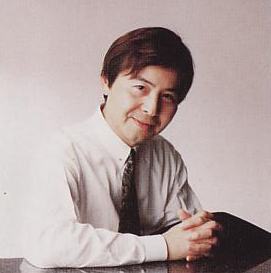
 岡山大学 医学博士(分子細胞医学)、徳島大学 薬学修士(生物薬品化学)
栃木県出身、東洋鍼灸専門学校(素霊学園)にて、東洋医学の古典、臨床を学ぶ。
1987年 徳島大学薬学部大学院修士課程修了。(生物薬品化学)
1987年~1995年まで、株式会社ツムラ、本社、企画開発室、漢方製剤開発部にて、新しい漢方薬の開発研究および薬理研究に注力。
その間、1989年より岡山大学医学部分子細胞医学研究施設神経情報学部門に国内留学し、脳の老化のメカニズムと抗痴呆作用、抗てんかん作用を持つ漢方薬の薬理研究に注力。
主に電子スピン共鳴装置(ESR)を用いた漢方薬のフリーラジカル(活性酸素)消去作用の研究を実施。
強力な活性酸素消去作用を持つ漢方薬は、活性酸素が関与する様々な疾患(痴呆症、アルツハイマー、がん、動脈硬化など)の発病を予防できることを科学的に証明。
米国、カリフォルニア大学バークレー校分子細胞生物学(Biochemistry and Molecular Biology)、Dr. レスター・パッカー先生の推薦を受け、
Professer & Chairman, Dr.Lester Packer of the University of California,Barkeley.Biochemistry and Molecular Biology Lab.(BMBI)、
国際学会(BMBI)へ発表、1996年に、岡山大学医学部大学院より医学博士の学位を取得。(分子細胞医学神経情報学)
専門分野は、分子細胞医学、生物薬品化学であるが、東洋医学(漢方薬、鍼灸)の古典にも精通し、日本最大の漢方薬メーカー株式会社ツムラ在職時より、
幅広く日本の漢方薬理研究推進業務に携わり、東洋医学の効果を、科学的見地から評価できる研究者の一人として知られている。
1999年より、大山漢方堂薬局、漢方カウンセラー。
現在は、得意とする、不妊症、肥満症、不安神経症(自律神経、精神疲労、心の不安)、アレルギー(花粉症、皮膚病)、
痴呆症(アルツハイマー、脳血管性痴呆)、がん(悪性新生物)の漢方相談を中心に、独自の東洋医学(漢方薬・鍼灸)治療を実践している。
趣味:フラメンコギター、水彩画、海外旅行(主に、地中海沿岸の国々が好き)
好きな言葉:「士は己を知る者のために死す。」
所属学会:日本東洋医学会、心理臨床学会
著書に、「脳を守る漢方薬 - 光文社カッパブックス1999年」がある。
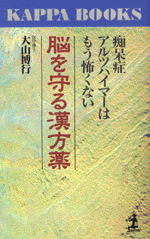

はじめに、
「ストレスと心の科学」 脳を守る漢方薬① 医学博士大山博行著
「知に働けば角が立つ、情に棹させば流される、意地を通せば窮屈だ。とかくに人の世は住みにくい」
これは、1906年(明治39年)に、夏目漱石先生が、「草枕」の冒頭で嘆いた言葉です。
漱石先生は、長年胃潰瘍に苦しめられて49歳の若さで亡くなってしまいました。
漱石先生も生きることのむずかしさ、人間関係の複雑さ、世の中の厳しさを身にしみて感じていたに違いありません。
1935年にカナダのセリエ博士がはじめて使用した「ストレス」という言葉を、もし漱石先生が知っていたら、
この有名な言葉も、「人の世は、ストレスが多くて、住みにくい」と簡単になっていたかもしれません。
さて、世は、まさにストレス時代です。突然暴落しては、急上昇する株価、思うように対応できない円高や産業構造の中で、
現役の社長さんや中間管理職、サラリーマンの突然死も相次いで起こっています。
国民全体のイライラ感がピークに達したのか、人をすぐに殺してしまう事件も目立ってきました。
将来の展望もつかみにくい時代になったのか、物事の考え方にも、思いやりや、暖かさが欠け、
否定的コミュニケーションや、攻撃的発言が渦巻き、お互いがショックを受ける毎日です。
何とかしなければなりません。
さて、私の著書、ストレスと心の科学、「脳を守る漢方薬」は、毎日のストレスを、東洋医学(漢方薬、鍼灸、マッサージなど)
と臨床心理学の方法論で解放できることを、豊富なデータをもとに紹介しています。
例えば、ストレスを受けて緊張している人の筋肉は、あちこちで収縮して、短くなっている状態です。
きつい言葉を吐く人の顔は、ひきつっていて、手は固く握り締められています。
それを聞く、私たちの肩の筋肉もこわばっていて、手はそわそわ動いて、じっとしていられなくなり、
思わず早口に、もっときつい言葉を返してしまいます。そうなると、心臓は高鳴り、胃は痛み、額には冷や汗が出てきます。
思わず、トイレに駆け込むと、思ったように排尿もできず、便まで、トギレトギレになって、
食欲も、性欲もなくなってしまいます。何か変です。簡単に説明すれば、これがストレス反応なのです。
そして、身にかかるストレスをうまく解放してあげないと、心身の病が発症してしまいます、、、、、、、(脳を守る漢方薬)
続く、
「すべての病は、心の乱れから始まる」 脳を守る漢方薬② 医学博士大山博行著
「人間は、心が健康でないと、幸福になれない。」
創造の神は、人間の脳に「幸福」と「永遠」という、2大イメージをインプットしている。
つまり、人間は、「幸せの中で永遠に生きること」、これを獲得するために突き進んでいる。
そして、これを達成する、唯一の手がかりが、「心の平安」、「良心の洗練」である。
お金、物質、恋人、地位、名声、たとえ、第三者から見れば、羨むような生活をしていても、
心が病んでいては幸福になれない。心が揺れていては、幸福になれない。
妬み、嫉妬、他人を陥れようとする醜心、策略、闘争、物事が自分の思い通りにならないと怒り、苦しみ、
裏切られ、復讐しようとする心、欲望にとらわれた心に肉体が支配されていると、「柔和な心」は得られない。
そればかりか、そういった悪魔的な心に肉体が支配されていると、知らず、知らずのうちに、人間の情動をつかさどる
「大脳皮質」が荒廃し、しいては人間の健康を維持する最高指令中枢、「視床下部」の自動調節機能(生体防御システム)が乱れ、
その人間の遺伝子的に貧弱な部分、弱点になる組織、臓器の器質的障害、病変が発症する。
さらに、神経をすり減らし、うつ状態、無気力、精神疲労、神経過敏、パニックなどの精神神経障害を誘発してしまう、
能力、才能のある者に嫉妬し、妬み、陥れるような人間に「心の平安」はありえないし、そういった風潮のある組織は自滅の道を進む。
ここで、一つ問題なのは、この嫉妬という感情は、人間の脳の一番深い所に遺伝子的に刻みこまれている情報で、
すべての人間が経験する感情である。ということ、驚くことに、創造の神も嫉妬し、イエスキリストも嫉妬する、ということである。
ましてや、不完全な人間が「嫉妬」するのは、あたりまえであるが、創造の神は、「良心」という感情も同時に脳にインプットしており、
これが、うまく制御して大事にいたらない。しかし、自分より美しい者に嫉妬し、自分より優れた者に劣等感を懐き、
自分より脚光をあびている者、繁栄している組織を妬み、陥れようとし、物事が自分の思い通りにならないと怒り、キズつき、
ショックを受け、パニックを起こし、そして、この感情があまりに大きくなり、良心で抑えきれなくなると、「大脳皮質」の荒廃が始める。
つまり、神経を過剰に興奮させ、すり減らし、老化のスピードを速め、脳神経細胞の脱落を誘発する。
また、精神がひどく不安定になり、恐ろしい考えに支配されたり、通常では考えられない異常な行動をとってしまう。
さらに、健康を維持する、最も重要な4つの生体防御システム、ホルモン(内分泌)、自律神経、代謝、免疫の自動調節機能が乱れ、
自己免疫疾患、虚血性疾患(心筋梗塞、脳血管障害)、がん、認知症を誘発するきっかけを作ってしまう。
ここで、良心を持った人間にとどまり、「心の不安」から解放されるためのカギは、「謙虚さ」である。
つまり、自身の「傲慢さ」を諫め、いかに、「謙遜」になれるか、いかに「寛容」になれるか、、、、、、、、、(脳を守る漢方薬)
続く、
「健康と長寿の科学」 脳を守る漢方薬③ 医学博士大山博行著
ボケずに100歳まで生きるために、
東洋思想の1つに、「天人合一」という考え方があります。
天と人とは1つである、すなわち、人間は大宇宙の一部であり、大自然の一部であるというものです。
言い換えれば、人間はそれ自体、小宇宙であり、小さな自然であるとの考え方です。
私が本書で提唱してきた「養生(ようせい=命を養う)」の大切さも、この東洋的な自然観から生まれたものです。
破壊された大自然のなかでは、人間は健康でいられるはずはありません。
大自然を守り、順応して生きることが、みずからの意志で命を養い、よりよく生きることにつながります。これが「養生の道」の極意です。
一個の「自然」である私たちの人間の体には、生まれながらにあらゆる疾患に対しての完璧な防御システムが備わっています。
ところが私たちは、つい無理をしたり、体を休めることを忘れたり、暴飲暴食などの欲望のままに行動してしまいがちです。
その結果、完璧なはずの生体防御システムにわずかな乱れが生じてしまいます。
私たちを取り巻くストレスは、このわずかな生体防御システムの乱れを逃さずに襲いかかってきます。
酸化ストレスによる活性酸素の攻撃もその1つです。
誰もがかかる風邪でも、放っておくと重病になることがあるように、この生体防御システムの乱れにつけこむストレスをそのまま放置すれば、
最初は軽い乱れでも、徐々に大きくなってしまいます。
その結果、老化を早めたり、成人病などの発病につながり、最後には取り返しのつかない重病が待っています。
その最たるものがガンや虚血性心疾患であり、本書のテーマであるアルツハイマー病や脳血管性痴呆症です。
逆にいえば、生体防御システムを活性化させてストレスから身を守るようにすれば、
アルツハイマー病や脳血管性痴呆症(認知症)にならずにすむはずです。
これが東洋医学でいうところの「未病(みびょう)」の段階での対処の大切さです、、、、、、、、、、(脳を守る漢方薬)
続く、
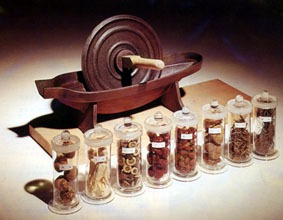
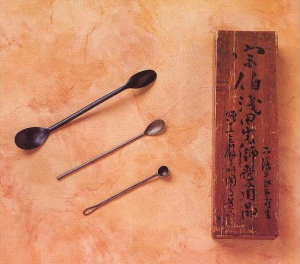 薬匙(江戸期)
温故知新=漢方薬
漢方医学は、日本では西洋医学より長い歴史を持つ伝統医学。
漢方薬は、西洋医学で治せない疾患に対して使われることが多かった。
近年は、臨床試験におけるエビデンスが蓄積され、
婦人科、精神科、小児科、がんの補助療法など、幅広い領域に、漢方薬は使われている。
漢方医学は、日本で独自の発展を遂げた
漢方医学、漢方は、古代中国医学が日本に伝来して、それが日本の民族性や風土に合わせて独自に発展を遂げてきた医学であり鍼灸なども含む。
2000年ほど前の中国最古の医学書とされる『黄帝内経』の基礎原理に基づいて治療法が記された『傷寒雑病論』は、後漢の時代(25~220年)に編纂された。
これは後に、『傷寒論』と『金匱要略』に分かれた。 6世紀頃、中国医学は朝鮮半島を経由して初めて我が国(日本)に伝わり、
7世紀以降は遣隋使や遣唐使によって医学書がもたらされた。8世紀には鑑真が来日して、多くの薬物を持ち込み大きな影響を与えた。
初期は中国医学を真似ていたが、984年に、丹波康頼が、中国医学の書物を引用して、現存する日本最古の医学書とされる『医心方』を著しました。
江戸時代の頃には一般市民にも普及しましたが、明治時代以降は、西洋文明の導入に伴って、日本では西洋医学が主体になりました。
近年、超高齢化社会が到来し、生活習慣病などの慢性疾患を中心とした疾病構造の変化などにより、漢方医学が再認識されるようになり、関心が高まっています。
漢方エキス製剤は148品目が保険適用
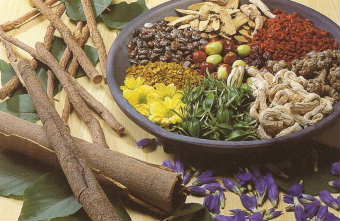
漢方薬とは、漢方医学で用いられる生薬を組み合わせた漢方処方のことですが、それらの生薬を指して言う場合もあります。
生薬とは、天然に存在する植物や動物、鉱物を加工調整した薬物を指します。
現代の日本においては、医師であれば誰でも漢方薬を処方できるため、手軽な医療用漢方エキス製剤が日常診療において多く用いられており、医療の一端を担っています。
1967年、医療用として、「葛根湯」「五苓散」「十味敗毒湯」「当期芍薬散」のエキス製剤4品目が薬価収載されたのを皮切りに、
現在では148品目が収載されており、医療保険で用いることができます。
対象となる疾患は、急性上気道炎、アレルギー性鼻炎、胃腸障害、便秘、冷え性、疲労倦怠感、神経痛、関節痛、筋肉痛、月経不順、更年期障害など多彩で、診療科も多岐にわたります。
また、煎じ薬にするための医療用の生薬も約200品目が薬価収載されており、保険適用となっています。
ほとんどの生薬は、中国医学を由来とするものですが、日本独自の薬物(和薬)も一部あります。
「十味敗毒湯」のように、江戸時代の外科医である華岡青洲により、中国の明時代の医学書『万病回春』の「荊防敗毒散」を基に日本で創られた漢方処方もあり、それに含まれる桜皮は日本独自の生薬です。
余談ですが、華岡青洲は後漢時代の中国の記録を基に麻酔薬「通仙散」を開発し、世界で初めて全身麻酔下での乳がん手術を行ったことでも知られています。
西洋医学を補完する漢方医学
ヒポクラテスの時代まで遡れば、西洋医学もハーブや動物、鉱物などの天然のものを薬として使っていたと思われ、
化学合成で薬が製造されるようになったのは、人類の長い歴史の中ではごく最近のことと言えるかもしれません。
そういう意味では、西洋医学と漢方医学の違いをことさらに述べることは、あまり意味がないような気がします。
そのうえでの話ですが、西洋医学は薬だけでなく診断技術や手術法なども大きく発展していますが、
一方、漢方医学はある意味では基本的には伝統を守り続けており、それが両者の根本的な違いなのかもしれません。
一般に、西洋医学は科学的・分析的であるのに対し、漢方医学は経験的・総合的だと言えます。
また、専門分化した西洋医学が「病気の原因を探り治療する」のに対し、漢方医学は「病気を持っている人間を治療する」と言えるのではないでしょうか。
その他、表1のような特徴があります。 両者のバランスは、時代によって変化してきたような気がします。
例えば、30年ほど前は、ウイルス性肝炎、関節リウマチ、気管支喘息などに対してあまり良い薬がなく、それらの患者さんが漢方を頼って多く受診されました。
しかし、関節リウマチは抗リウマチ薬や生物学的製剤、気管支喘息は吸入ステロイド薬などでコントロールできるようになり、ウイルス性肝炎もインターフェロン製剤、
最近では核酸あな製剤などの登場で根治が目指せるようになり、それらの治療目的で漢方を求める患者さんは減ってきました。
現代の日本は西洋医学が主体で、漢方の専門家もほとんどが西洋医学と組み合わせた診療をしていると思います。
例えば、内視鏡で早期のがんが見つかれば、それを漢方薬だけで治療することはなく内視鏡的治療や外科的治療などを優先して行います。
漢方医学は西洋医学を補完したり、西洋薬と併用するような形で使われることが多いのが現状です。
一般に慢性疾患の人は体質改善を目的として漢方薬を求めてくることが多く、
漢方薬はじわじわと効いてくるようなイメージが強いのですが、風邪に用いる「葛根湯」のように即効性のあるものもあります。
四診で「証」を診断して処方を決める
漢方治療は、漢方医学的な適応病態、すなわち「証」に従ってなされる隋証治療であるべきだとされます。
また、漢方医学における診察法は、望診・聞診・問診・切診の4つに分類され、四診と呼ばれます。四診により証を診断し、処方する漢方薬を決定するのです。
四診のうち望診は、視覚から情報を得る事で、顔色や動作だけでなく、舌の状態を見る舌診も含みます。
聞診は、声の大きさや咳、喘鳴、呼吸音などを聞くことだけでなく、体臭や便のにおいなども含みます。
問診では、病歴や現在の症状など、患者の訴えを尋ねます。切診は、実際に体に触れる触診のことで、
腹診(腹部に触れる)と脈診(脈の速さ・強さ・深さなどを診る)などからなります。
病態(証)には、陰陽、虚実、寒熱、表裏、気血水、五臓、六病位といった概念があります。
陰陽は、病気に対する反応の性質を表す概念で、一言では、陽証は暑がりのタイプ、陰証は寒がり(冷え性)のタイプと言えるかもしれません。
虚実は、普段の体力あるいは病気に対する抵抗力や反応の強さを指し、急性と慢性の状態に分けて考えると理解しやすいでしょう。
急性症状の場合は、実証では症状が強く激しく、虚証では症状が弱く穏やかな傾向があると考えます。
慢性疾患の場合は体力と置き換えて、がっちりした体格を実証、きゃしゃで虚弱な場合を虚証と捉えることが多いようです。
寒熱では、熱証は熱感、実証は冷感を自覚する状態です。または、局所的に熱あるいは冷えが感じられる状態を指すこともあります。
例えば、更年期障害の症状でよくみられる冷えのぼせ(下半身は冷えるが上半身はほてる状態)を上熱下寒と表現したりします。
また、気血水は、生体の恒常性を維持する3つの重要な要素と考えています。
気は生命活動を営む根源的エネルギー、血は生体を物質的に支える赤色の液体、水は整体を物質的に支える無色の液体で、
健康な状態ではこれらが円滑に体内を巡ると考えています。
気血水の病的な状態には、気虚(気の涼の不足)、気鬱(気の循環の停滞)、気逆(気の順行の失調)、
血虚(血の量の不足)、お血(血の流通の停滞)、水滞(水の偏在)があります。
五臓とは、西洋医学の臓器の概念とは異なり、精神機能を含めた独特の概念で、肝・心・脾・肺・腎の5つを指します。
例えば、怒りっぽい、イライラしやすいなどの神経過敏な興奮性の精神症状は、肝がうまく機能していないための症状と考え、「抑肝散」の適応となります。
さらに、六病位は、急性の感染症などで病状が移り変わる際に、病状の変化の段階を示すステージ分類のようなものです。
このような証という物差しを用いて、一人ひとりの患者さんの状態を捉えていきます。
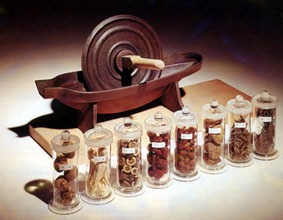
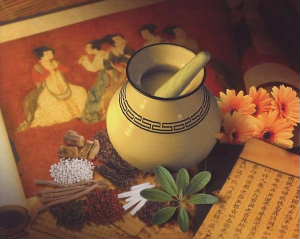 乳鉢・乳棒(明治期)
漢方医学とEBM
現代の医学は、EBM(evidence based medicine)が基本で、医薬品は、すべて臨床試験(治験)を経て承認されています。
一方、漢方医学は長年の経験に基づいて発展してきており、前述の通り、
日本では医療用漢方エキス製剤や生薬が保険適用されていますが、臨床試験を経ずに薬価収載されたという経緯があります。
そこで、1991年に厚生省(当時)は、8品目の漢方処方について再評価指定をしました。
これを受けて、高血圧症随伴症状に対する「黄連解毒湯」、過敏性腸症候群に対する「桂枝加芍薬湯」、肝硬変に伴う筋痙攣に対する「芍薬甘草湯」、
感冒と慢性肝炎に対する「小柴胡湯」、気管支炎とアレルギー性鼻炎に対する「小青竜湯」、便秘症に対する「大黄甘草湯」、
上部消化管機能障害に対する「六君子湯」の臨床試験の成績が報告されました。
日本東洋医学会では、漢方薬の臨床的根拠(エビデンス)の収集に取り組んでおり、その成果を学会のウェブサイトで公表しています。
近年は、漢方薬の有効性を検証した臨床試験や作用機序の関する研究の国際雑誌への掲載が増えてきています。
また、漢方処方の記載を含む診療ガイドラインも増えており、これらについても確認できます。
婦人科疾患は漢方医学の得意分野
では、前述した漢方独自の診断方法に基づいて、漢方が得意とする領域や、漢方ならではの治療について、具体的な処方を挙げながら紹介していきましょう。
月経困難症や更年期障害などの婦人科疾患は、昔から漢方医学の得意分野の1つとされています。 まず、個々の患者の病態(証)を捉えます。
例えば、更年期障害の「顔がほてる」「汗をかきやすい」「手足の先が冷える」「動悸がする」などの症状は気逆、
「怒りやすい」「イライラしやすい」は肝の異常、「意欲がない」「憂うつになる」は気鬱、「頭痛」「めまい」は水滞、「疲れやすい」は気虚などとして捉えます。
「当帰芍薬散」は冷え、めまい、貧血傾向、浮腫傾向などを目標に使用されます。まt、不妊症の体質改善、妊娠中や産後の諸々の症状に用いられることもあります。
「加味逍遙散」は、神経過敏、イライラ、発作性の熱感・発汗などを目標にして、更年期障害にも用いられることがありあます。
この他、月経痛に「芍薬甘草湯」や「当帰四逆加呉茱萸生姜湯」、貧血に、「四物湯」や「弓帰荊芥湯」、
便秘を伴う場合は「桃核承気湯」や「大黄牡丹皮湯」、妊娠悪阻(つわり)に「小半夏加茯苓湯」や「半夏厚朴湯」などが処方されることもあります。
また、月経前症候群などでイライラが強い場合、「抑肝散」や、それに陳皮と半夏を加えた「抑肝散加陳皮半夏」が用いられることもあります。
婦人科疾患で用いられる主な漢方薬
陰陽 虚実 処方 症候
陰証 虚証 「当帰芍薬散」 → 月経不順、月経痛、不妊、流産、産前・妊娠中・産後の体調不良、冷え、貧血、浮腫、疲労倦怠感、頭重、頭痛、めまい、肩こり、腹痛、腰痛、臍傍抵抗圧痛
陽証 虚実間証 「加味逍遥散」 → 月経不順、月経痛、上半身の熱感、のぼせ、発作性の発汗、神経過敏、イライラ、不安、肩こり、めまい、頭痛
「桂枝茯苓丸」 → 月経不順、月経痛、頭痛、めまい、肩こり、腰痛、のぼせ、赤ら顔、冷えのぼせ、臍傍抵抗圧痛
心因性ストレスによる精神症状に処方
ストレス社会にあって、最近は精神症状のために漢方薬を使う場面も増えています。イライラ、不安、抑うつなどは、様々な心身の病気に伴って現れます。
うつ病や不安障害などで重症の場合や緊急を要する場合には、精神科において西洋医学的な治療が優先されますが、
心因性ストレスによる不調には、漢方治療が有効なことも少なくありません。漢方医学の「証」では、こうした心の異常などとして捉えることがあります。
「桂枝加竜骨牡蠣湯」は、神経過敏で、のぼせ、動悸がみられるような気逆がある場合に用いられます。
「半夏厚朴湯」は咽の閉そく感や異物感の訴えがある気鬱に、「加味逍遙散」は不安、抑うつ、不眠などがあり、気力がない気虚に用いられます。
「抑肝散」は、肝の失調とみられる興奮性の神経症状に用いられます。また、前述した通り、「加味逍遙散」は更年期の精神症状に処方されます。
認知症の精神症状に「抑肝散」が有効
「抑肝散」は、神経が高ぶり、怒りやすくイライラしやすい人や、神経症や不眠症、小児の夜泣きなどにも用いられてきた処方デス。
近年、認知症の行動・心理症状(BPSD)のうち、特に興奮性の精神症状に対する有効性が臨床試験で示されており、処方される機会が増えています。
アルツハイマー病やレビー小体病などの認知症の精神症状・行動異常に対する臨床試験では、妄想、幻覚、興奮/攻撃性、易刺激性などにおいて改善がみられていまいす。
「釣藤散」の血管性認知症に対する臨床試験を行い、また薬理作用についても研究してきました。
脳内でグルタミン酸が過剰になると、興奮や神経細胞死が生じますが、「釣藤散」の構成生薬である釣藤散には、
それを抑える作用があります。「抑肝散」にも釣藤散が含まれており、薬効の鍵になっていると考えられます。
虚弱な小児の体質改善に
心身の発達が未熟な状態にある小児は、ちょっとしたことで体調を崩すことも少なくありません。
とりわけ虚弱な小児は、同じ病気や症状を日常的に繰り返し起こします。
かぜをひきやすい、疲れやすい、食欲がない、下痢しやすい、腹痛・頭痛などをよく訴える、
アレルギー症状が出やすい、などが虚弱な小児によくみられる症状です。
漢方医学では、これらに対して、日常生活における体質改善を含めたアプローチをします。
一般に小児の適量は、エキス製剤の場合は体重1kg当たりおよそ0.1~0.2gとされます。小児は苦みに敏感ですが、
「小建中湯」や「黄耆建中湯」は膠飴という一種のアメが入っているので、比較的良好なコンプライアンスで服用してくれます。
風邪をひきやすい、ひいても治りにくいなど、病気に対する抵抗力が低下した状態は、
漢方医学では気虚と考え、「小建中湯」がよく使われます。その他、「補中益気湯」が処方されることもあります。
食欲がない場合は、脾胃(胃腸)の機能を高める目的で、「六君子湯」が処方されることがあります。
お腹が冷えると下痢しやすくなる慢性の下痢には「人参湯」、水様便や軟便には「五苓散」、
疝痛や腹部膨満感を伴う下痢(ないし便秘)には「桂枝加芍薬湯」が処方されることもあります。
器質的な病気を除外したうえで、腹痛・頭痛などの不定愁訴には心の問題への対処が検討されます。
腹痛などの胃腸症状や過敏性腸症候群には、「小建中湯」や「桂枝加芍薬湯」、夜泣きなどを伴う際は「抑肝散」や「甘麦大棗湯」などが用いられます。
アレルギー性疾患(アレルギー性鼻炎、気管支喘息、アトピー性皮膚炎など)では、西洋薬と併用する場合が多くなっています。
アレルギー性鼻炎には、「小青竜湯」、気管支喘息には、「麻杏甘石湯」などが処方されます。
アトピー性皮膚炎には「小建中湯」や「黄耆建中湯」、「十味敗毒湯」なども用いられることがあり、
小児に限らず難治性のことが多いため、ステロイド外用剤なども併用しながら治療にあたります。
強い痒みのため不眠がみられる場合には、「抑肝散」が使用されることもあります。
がん診療の副作用緩和や補助療法に
漢方薬だけでがんを治療することができませんが、近年は様々ながんに対して、化学療法に用いる抗がん剤の副作用を和らげたり、
補助療法や緩和医療のために用いられることが多くなってきました。
基礎体力を上げて、食欲が出るようにすれば、生活の質(QOL)の向上が期待できます。
化学療法の副作用対策として、関節痛、筋肉痛、しびれなどの末梢神経障害に対して「牛車腎気丸」や「芍薬甘草湯」、
胃がん手術後の消化器症状や食欲不振に対して「六君子湯」が使用されます。また、下痢症状に対して「半夏瀉心湯」が用いられることもあります。
気虚に対する補剤は、体力が落ちているがん患者に対する代表的な処方です。「補中益気湯」「十全大補湯」「人参養栄湯」などが処方されることが多いようです。
「補中益気湯」は、虚弱体質・倦怠感・易疲労、食欲不振・胃腸虚弱などの症状に用いられます。「十全大補湯」は、気虚と血虚を兼ねている病態(気血両虚)に対する処方です。
「芍薬甘草湯」は、元々は筋痙攣(こむら返り)に使われてきた処方ですが、化学療法後の筋肉痛・関節痛に対する有効性をはじめとして、エビデンスが報告されています。
その他、乳がんのホルモン療法による、ほてりなどの更年期症状には、「桂枝茯苓丸」や「加味逍遙散」が用いられることもあります。
開腹手術後には、癒着性の小腸閉塞(イレウス)が一定程度生じますが、近年「大建中湯」の服用で予防効果があることが報告され注目を集めています。
「大建中湯」は元々、身体が衰弱し冷えによる腹痛がある人で、腸の蠕動不穏や嘔吐がある場合に用いられてきた漢方処方です。
高齢者の多剤服用対策にも
高齢者は西洋薬を含めた剤服用になりがちですが、漢方薬をうまく活用すれば、
ある程度こうした状態が解消され、医療経済的なメリットが得られる場合があります。
例えば、「八味地黄丸」という処方が有効だと考えられています。
高齢者では、四肢や腰の痛み・脱力感・しびれ・冷えの症状の訴えが多く、西洋医学的な治療が困難な場合も多いようです。
これらの症状は、漢方医学的には、腎虚に基づくと考えられています。肝・心・脾・肺・腎の五臓のうち、
腎には成長・発育・生殖能を制御する機能や水分代謝を維持する機能などが包含されます。
腎虚は、この腎の機能が衰えた病態で、いわゆる老化に伴う様々な症状が現れてきます。
「八味地黄丸」は、腎虚に対する代表的漢方処方として昔から用いられてきました。
中国の古典医書『金匱要略』を原典とし、使用目標として、腰部および下肢の脱力感・冷え・しびれ、腰痛、排尿異常、疲労倦怠感などが挙げられています。
高齢に伴う不調で、内科、精神科、整形外科、泌尿器科など、複数の診療科で合計20剤ほどの薬を出されていた方に、
「八味地黄丸」を用いることで、薬の数を半減できたというケースもあります。
それらの薬の中には口渇や食欲不振などの副作用が現れる薬もあったのですが、症状は大幅に軽減されました。
もちろん、どうしても欠かせない薬もありますが、漢方治療によって全体の薬の数を減らせる可能性があります。
続く、
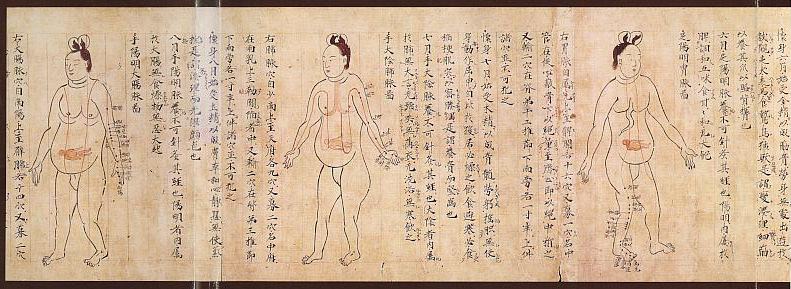
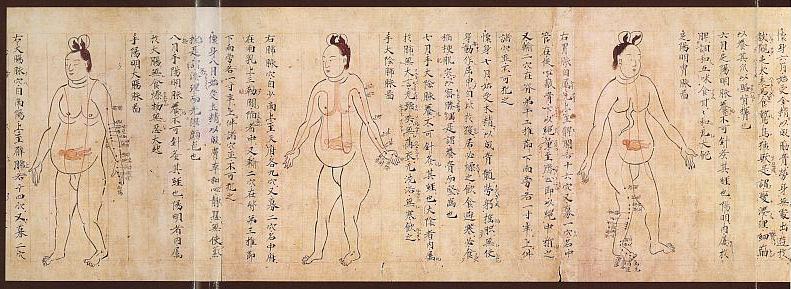
大山漢方堂薬局 所蔵 医心方「妊娠脈図」より引用
大山漢方堂薬局、大山鍼灸院、漢方カウンセラー 大山博行(おおやまひろゆき)
大手漢方薬メーカーの研究開発部門に在籍し、内外の研究施設と共同して漢方薬の効果を科学的に解明
臨床心理学の手法を導入した独自の問診票で検査データに出ない不具合の原因を探求。
大山漢方堂薬局の問診票には、西洋医学の医療機関では問題にされないような症状の項目が多数存在している。
例えば、髪の毛や爪の状態、汗のかき方、睡眠の状態、気分的なことなどについて細かく症状が記されチェックできるようになっている。
これらは、一般的な現代医療では特別な疾患が疑われない症状だが、漢方の診断では非常に重要なものだ。
漢方の基本的な考え方に、「気・血・水」というものがある。これらは、人間の命を司るエネルギーと考えられ、
「気・血・水」のエネルギーが不足したりバランスが崩れると、症状が出たり病気になると考えられている。
大山漢方堂薬局には、西洋医学的見地から普通一般に問題にされなかった症状に、悩み苦しんで来局される患者さんもも多い。
こういった苦しみは、臨床検査データには、まったくと言っていいほど、問題にされない不具合であるが、
大山漢方堂薬局の問診票を使用することで、深く読み解くことが可能となり、東洋医学的方法論を用いるための病態を見極めることができる。
東洋医学的見地から、こういった不具合は、前述の「気・血・水」のエネルギーバランスの崩れと考えられる。
それを整えることができれば、人間の生命のエネルギーを整えることにつながり、しいては患者さんは苦しみから解放される。
東洋医学(漢方薬・鍼灸・気功)の方法論には、「気・血・水」のバランスを整える方法論が多数存在している。
また問診票にチェックされた項目を見れば、「気・血・水」の何が足りず、何が過剰で、何の臓器の機能が弱っているかを推し測ることができる。
そのうえで、患者さんの体質を把握、「証」を決め、その人に一番合った漢方薬を調合し、鍼灸治療の経絡を決定するのが大山漢方堂薬局の方法論なのである。
東洋医学の二大方法論を併用する。
現在一番気になる症状を取り除く、「標治方法論」と、患者さんの悪い体質を改善する「本治方法論」を併用して効果を上げる
東洋医学(鍼灸治療、漢方薬)の方法論(病態把握法、治療方針決定法)は、まず、四診(問診、望診、聞診、切診)を行う。
望診とは、患者さんの顔色や表情、体全体の様子、舌の状態を見る。聞診とは、耳を使った方法論をさし、一般的な情報の他に、
患者さんの声の高さや大きさなども、東洋医学方法論決定(漢方処方決定、経絡選定)の手がかりとなる。
切診(鍼灸治療に用いる=経絡治療の診断法)とは脈と腹部の状態を直接触って把握する。
四診によりその人の体質の特徴もわかる。同じような症状が出ていても、体質によって処方の内容が異なる。
ぴったり合った処方ができれば、飲んだ数分後にすーっと症状が引くこともめずらしくない。
少ない生薬でシャープに効くのが日本漢方の長所であり特徴である。
東洋医学、特に漢方薬の効き目は穏やかで、効果が出るまで時間がかかるというイメージがあるが、
鍼灸治療を併用すれば、症状を素早く改善させることも可能である。
つまり、漢方薬と鍼灸治療を併用すれば「即効性」を期待できる。
ここが、古くから「漢方薬と鍼灸は、東洋医学の車の両輪」と言われ続けた由縁である。
東洋医学の手法(漢方薬・鍼灸治療)には、前述した二面性が存在する。この二面性をうまく取り入れた治療方法論、
治療方針を確立することが一番重要であり、術者の技量、つまり腕の見せ所となる。
すなわち、患者さんの現在一番気になる症状を取り除く「標治方法論」と、
患者さんの悪い体質を根本から変える「本治方法論」の二つである。
標治方法論のための漢方処方、鍼灸経穴は、素早く効くが、本治方法論には数週間から数カ月、数年かかることもある。
東洋医学の基本を簡単に説明すれば、現在のもっともつらい症状を標治法を用いて楽にしながら、
本治法を併用して、乱れたバランスを整え、悪い体質を根本から変えていく。
これが、東洋医学の醍醐味である。もっとも優れた方法論と言える。
東洋医学の養生(ようせい=命を養う)論とは、
標治法と本治法二つの方法論をより効果的に進めるためには、実は、もう一つ「養生(ようせい=命を養う)方法論」が必要になる。
これは、簡単に言えば、人間が生きるために行っている生活習慣の悪い点を改めること。
つまり、食習慣(衣食住)、運動、呼吸、心理・思考、性生活(SEX)などの日常の生活習慣を見直し、悪い点を改善することがとても重要である。
食べ物は、人間の体を作り直す基礎となるもので、季節に合った食事をするのが基本で、これがいちばんいいと考えられている。基本である。
体の中の乱れと食事、生活習慣、生活環境の乱れを調整することが、人間の命を司るエネルギーバランスを整えるためには必要になる。
実際に、病気になったことをきっかけに、優れた指導者にめぐり合い、生活習慣を改善し、
人間の本質、思考までをも、東洋医学的に変え、難病を克服し、打ち勝っていく患者は少なくない。
西洋医学の三大療法(手術、抗癌剤、放射線)の副作用防止、延命、がんに負けない体力作り、がんの免疫療法
がん治療に漢方を併用すると患者さんのQOL(生活の質、満足度)が、確実に向上する
大山漢方堂薬局には、不妊症、肥満症をはじめ、アレルギー疾患や膠原病、自律神経失調、精神の不安や更年期、低血圧、皮膚病など、
西洋医学の方法論では症状改善が思うようにいかない抵抗性、難治性の疾患や症状を持つ患者さんも少なくない、その中には、がんやボケの患者さんも10%ほどを占める。
「手術、抗がん剤、放射線療法(3大療法)と平行して、東洋医学(漢方薬・鍼灸)の治療を行い、抵抗力を付け、副作用を軽減したい。」という患者さんがほとんどである。
がんの治療には、苦しい副作用がともなうが、漢方薬・鍼灸の併用で和らげることが可能である。
さらに、がん治療を終えた後に、再発や転移を予防したいという目的で、来局される患者さんも多い。
そのほか、がんやその治療による不具合、骨転移などの痛みの改善を求めて来局する患者さんもいる。
大山漢方堂薬局の調合漢方薬(オーダーメイド)は、体に優しい、まったく安全な自然の植物を原料とした「生薬・薬草」を使っているので、
患者さん一人、一人に合ったきめの細かい漢方薬の調合が可能になる。もちろん、同じ症状でも体質などが異なれば調合も変わる。
オーダーメイドの個別化治療が、当たり前のこととしてできるのが、調合漢方薬「生薬・薬草」のメリットである。
近代、ゲムノ医療の進歩から、オーダーメイド、テーラーメイドと言われる個別化治療が可能となり注目を集めているが、
東洋医学(漢方薬・鍼灸治療)は、2000年も前からそれを実践してきたのである。
最近では、科学の進歩により東洋医学(漢方薬・鍼灸)の効果の科学的根拠を探る研究も多くなされている。
私たちは、日本最大の漢方薬メーカー(株)ツムラの研究開発部門に在籍して、東洋医学(特に漢方薬)の科学的根拠を探る研究を、
ツムラ内外の最先端の研究施設と共同して全国的に推進してきた。これまで、東洋医学(漢方薬・鍼灸)の効果は、再現性と客観性に乏しいこと、
なぜ効くのかその作用メカニズムがあまり解明されていないこと、を理由に科学的でないと言われてきたが、
これからは、歴代の東洋医学の賢人達の知恵を科学的に解き明かす時代になる。
大山漢方堂薬局、大山鍼灸院は、臨床における東洋医学(漢方薬・鍼灸治療)の治療と同時、並行して、科学的研究を行い、
東洋医学(漢方薬・鍼灸)の効果を少しずつ解明していくことが最重要であると考えている。
東洋医学(漢方薬・鍼灸)を志す者は、常に新しい情報を取得し、己の腕を磨き続ける向上心、貪欲なまでの探究心が必要。
知識欲を旺盛に持って、人間、自然、生きることを研究し、経絡選定、漢方処方の腕をみがくことが、
私の調合漢方薬を服用してくださる患者さんのメリットにつながっていく。ここに、東洋医学を志す者の生きがいを強く感じる。
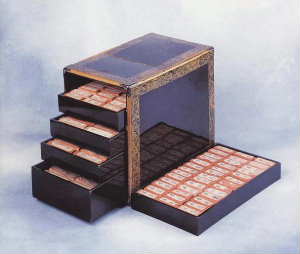
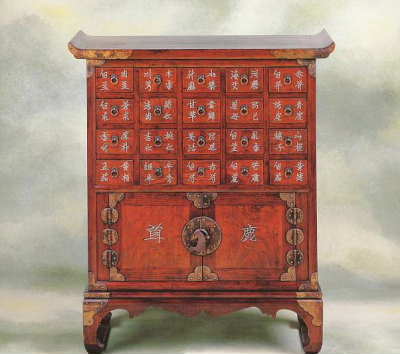
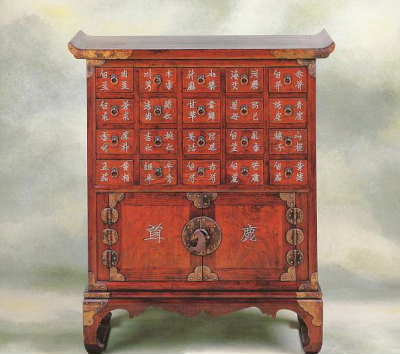 薬味箪笥(江戸期)
医学博士 大山博行 研究業績
1)
Age-related difference in synaptosomal membrane fluidity
Hiroyuki Ohyama, Midori Hiramatsu, Norio Ogawa, Akitane Mori
Biochemistry and Molecular Biology International 37,133-140,1995
Department of Neuroscience, Institute of Molecular and Cellular Medicine, Okayama University Medical School,
2-5-1 Shikatacho, Okayama 700, Japan

and *Division of Medical Science, Institute for Life Support Technology, Yamagata Technopolis Foundation,
Yamagata 683 Kurumanomae, Numagi, Yamagata 990, Japan
2)
Effect of Japanese herbal medicine(TJ-960) on neuronal membrane fluidity of mice
Hiroyuki Ohyama, Midori Hiramatsu, Rei Edamatsu, Akitane Mori
Magnetic Resonance in Medicine 6, 279-281, 1995
3)
Effect of Japanese herbal medicine(TJ-960), on aging
Midori Hiramatsu, Rei Edamatsu, Hiroyuki Ohyama, Akitane Mori
Lipid-Soluble Antioxidants:Biochemistry and Clinical Applications.
pp.535-552,Birkhauser Verlag,Basel,1992
4)
Combined treatment of Japanese herbal medicine(TJ-960)with low dose of dipropylacetate increased the latent time for
pentylenetetrazol induced convulsion and decreased brain lipid peroxidation in mice.
Hiramatsu,M., Liu J, Edamatsu,R., Kadowaki,D., Hamada,H., Ohyama,H., Watanabe,S., Mori,A.
Neuroscience 18, 71-76,1992
5)
Estimation of nitric oxide and nitric oxide synthase activity in SAMP8 mouse brain
Habu,H., Yokoi,I., Kabuto,H., Ohyama,H., Mori,A., Teraoka,H., Komaru,N.
in: The SAM Model of Senescence (T.Takeda, ed.) pp.343-346,Elsevier Science B.V., Amsterdam, 1994
6)
Age-related changes in nitric oxide content and nitric oxide synthase activity
in senescence-accelerated mouse (SAM P8) brain
Yokoi,I., Inada,K., Habu,H., Kabuto,H., Mori,A., Ohyama,H., Iwaya,K., Koyama,S., Nishijima,Y., Nishijima,K.
in: Oxidative Stress and Aging (R.G.Cutler, L.Packer, J.Bertram, A.Mori, eds.)
pp387-391, Birkhauser Verlag, Basel, 1995
7)
UNESCO / Costam Workshop on Lipid-soluble Antioxidants in Biochemistry of Nutrition and Environmental Health
1991.9.21 (Malaysia)
Effect of Japanese herbal medicine(TJ-960), on aging
Midori Hiramatsu, Rei Edamatsu, Hiroyuki Ohyama, Akitane Mori
8)
Society for Free Radical Research 1991.9027 (Paris)
Japanese herbal medicine(TJ-960) affected free radicals, SOD activity,
lipid peroxidation and neurotransmitter in aged rat brain
Midori Hiramatsu, Rei Edamatsu, Hiroyuki Ohyama, Akitane Mori
9)
5th International Congress on Oxygen Radicals 1991.11.18 (Kyoto)
Decreased membrane fluidity in rat synaptosomes induced by active oxygen species,
guanidino compounds and convulsants
Midori Hiramatsu, Rei Edamatsu, Hajime Hamada, Hiroyuki Ohyama, Akitane Mori
10)
5th International Congress on Oxygen Radicals 1991.11.20 (Kyoto)
Antioxidant effects of the extracts of gastrodia fleta bl. and uncaria rhynchophylla (MJQ) jacks
Jiankang Liu, Hajime Hamada, Hiroyuki Ohyama, Akitane Mori.
11)
The First International Conference on Senescence: The SAM Model 1994.3.17 (Kyoto)
Estimation of nitric oxide and nitric oxide synthase activity in SAMP8 mouse brain
Habu,H., Yokoi,I., Kabuto,H., Ohyama,H., Mori,A., Teraoka,H., Komaru,N.
12)
The First International Conference on Oxidative Stress and Aging 1994.3.25 (Hawaii)
Age-associated changes in nitric oxide (NO) content and nitric oxide synthase (NOS) activity
in senescence accelerated mouse (SAM P8) brain
Yokoi,I., Inada,K., Habu,H., Kabuto,H., Mori,A., Ohyama,H., Iwaya,K., Koyama,S., Nishijima,Y., Nishijima,K.
13)
International Conference on Bioradicals Detected by ESR Spectroscopy 1994.6.13 (Yamagata)
Effect of Japanese herbal medicine(TJ-960) on neuronal membrane fluidity of mice
Hiroyuki Ohyama, Midori Hiramatsu, Rei Edamatsu, Akitane Mori
14)
International Symposium on Natural Antioxidants: Molecular Mechanisms and Health Effects (ISNA) 1995.6.21 (Beijin)
Antioxidant defenses of Japanese herbal medicine(TJ-960) , against free radical induced neural cell damages
Akitane Mori, Hajime Hamada, Hiroyuki Ohyama, Midori Hiramatsu, Seiichi Shinohara
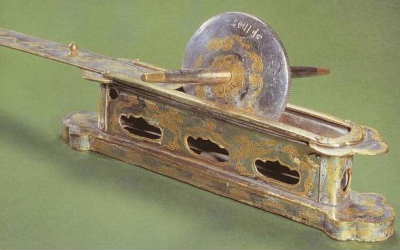
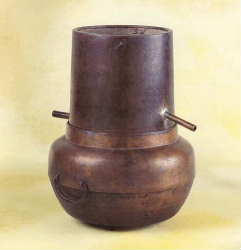 薬缶(明治期)
岡山大学医学博士、大山博行(おおやま ひろゆき)先生の著書『脳を守る漢方薬』は、
認知症やアルツハイマー病の予防・改善における漢方薬の可能性を説いた一冊です。
基本情報
書名: 脳を守る漢方薬 ― 痴呆症・アルツハイマーはもう怖くない
著者: 大山 博行(岡山大学医学博士、徳島大学薬学修士)
出版社: 光文社(カッパ・ブックス)
発行年月: 1999年4月
主な内容と特徴
この本は、当時の「ボケ(認知症)」に対する不安に対し、東洋医学の知見と最新の科学的根拠を組み合わせて解説したことで大きな反響を呼びました。
脳の老化と漢方: 脳細胞の死滅や「活性酸素」による老化のメカニズムを解説し、それらを防ぐ漢方薬の作用について述べています。
ボケ予防の提唱: 21世紀の高齢化社会を見据え、病気になる前に防ぐ「未病」の考え方や、誰にでもできる「ボケ予防の6ヶ条」を紹介しています。
科学的裏付け: 伝統的な経験則だけでなく、当時の最新科学で実証された漢方薬の効果を一般向けに分かりやすく紹介している点が特徴です。
著者について
大山博行先生は、栃木県佐野市にある 大山漢方堂薬局 の代表を務める漢方・鍼灸の専門家です。
岡山大学で医学博士号を取得しており、西洋医学的な視点と東洋医学の両面から健康相談を行っています。
補足:紹介されている主な漢方薬(例)
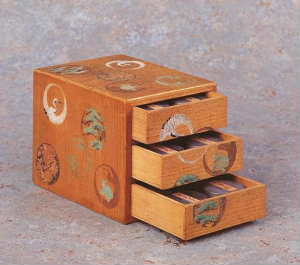
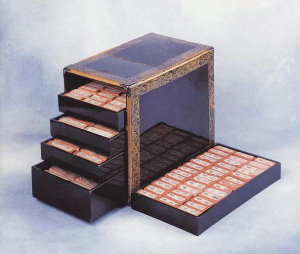 薬籠:往診用薬箱(江戸期)