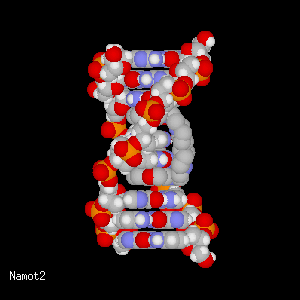
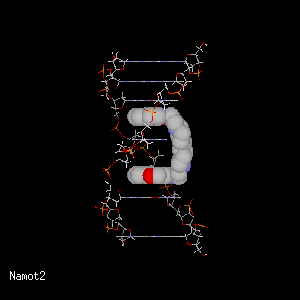
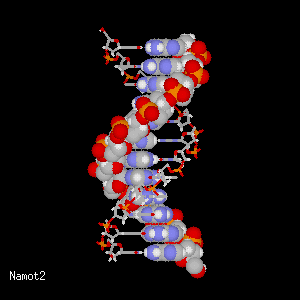
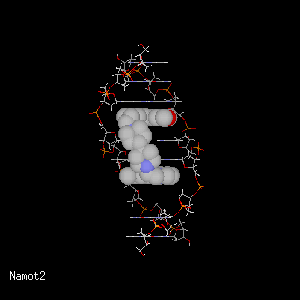
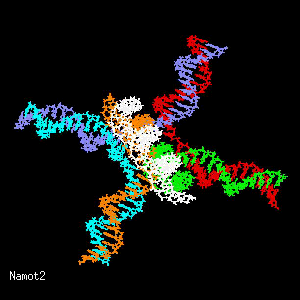
Effect of Japanese herbal medicine (TJ-960) on neuronal membrane fluidity(1995)
TJ-960が神経細胞膜の流動性を改善することを示した。
Effect of Japanese herbal medicine (TJ-960) on aging(1992)
老化に伴う酸化ストレスや膜変化に対し、TJ-960が保護的に働くことを報告。TJ-960 とジプロピル酢酸の併用効果(1992)
けいれん発作の潜時延長、脳脂質過酸化の減少など、 抗酸化・抗けいれん作用を示すデータを提示。
" KAMPO 漢方 "
How the Japanese Updated Traditional Herbal
Medicine
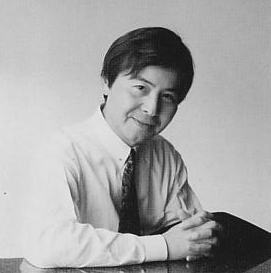
Akira Tsumura, the Author
About the Author :
Akira Tsumura has unique qualifications to
brief us in the Western world
on the history and benefits of Japanese herbal
medicine.
The pharmaceutical firm he heads has a long
family tradition.
Tsumura, Inc. was founded by his grandfather,
Jusha Tsumura,
and has diversified to become the leading
supplier of herbal medicinals.
Sub-sidiaries in the United States are well-known
distributors
of health and beauty care products.
At Tsumura, Inc. scientists using the latest
technology
are testing the properties of various ancient
Kampo medication.
In the Tokyo suburb of Tsuchiura, the firm
has constructed a modern,
high-tech factory using robots for difficult
research procedures.
The auther also has a warm appreciation of
the needs
and attitudes of the American people.
His interest in Western culture has remained
strong since he pursued a degree
in business management at the University
of Michigan in Ann Arbor.
He has formed his own Dixieland jazz group
in Japan, the Storyville Dandies !!!
His collection of vintage banjoes is the
best in the world.
" THE KAMPO "
1991
資料提供
大山漢方堂薬局
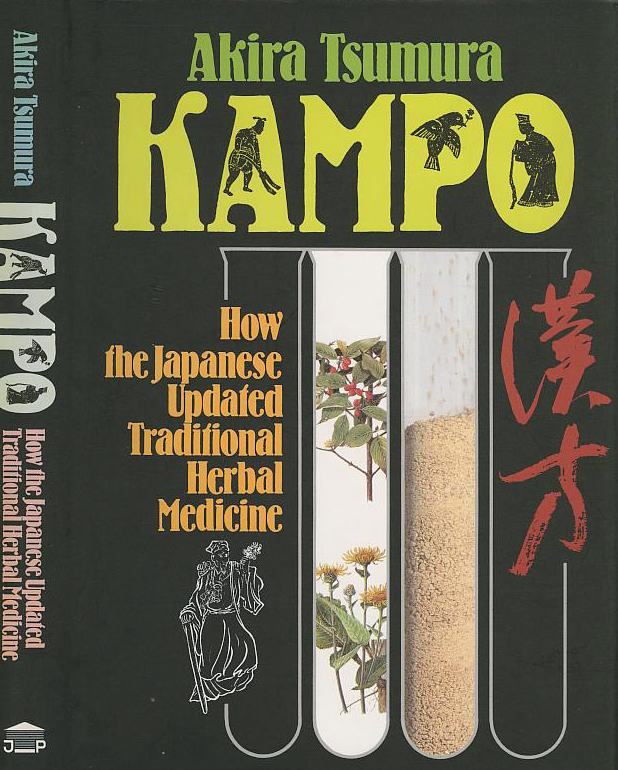
KAMPO MEDICINE
Tradition Guiding Innovation
Report of the 100th Anniversary International
Kampo Symposium '93 Tokyo, Japan
9-10 April 1993
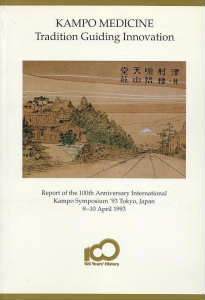
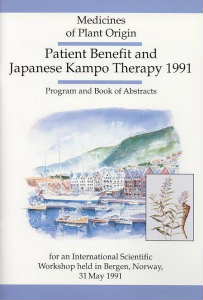
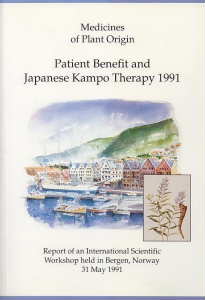
Medicines of Plant Origin
Patient Benefit and
Japanese Kampo Therapy 1991
Program and Book of Abstracts
Report of an International Scientific
Workshop held in Bergen, Norway
31 May 1991
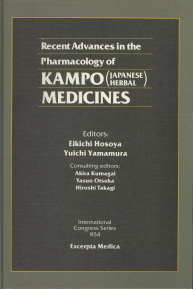
Recent Advances in the Pharmacology of
KAMPO MEDICINES
(JAPANESE HERBAL MEDICINES)
Proceedings of the Satellite Meeting on Kampo(Japanese
Herbal) Medicines
of the 10th International Congress of Pharmacology,
Auckland, New Zealand, August 19-21, 1987
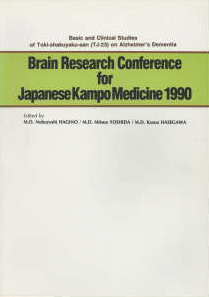
Basic and Clinical Studies of TJ-23 on Alzheimer's
Dementia
Brain Research Conference for Japanese Kampo
Medicine
1990
資料提供
大山漢方堂薬局
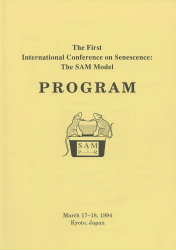
The First International Conference on Senescence:
The SAM Model
March 17-18,1994 Kyoto, Japon
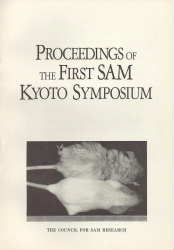
PROCEEDINGS OF THE FIRST SAM KYOTO SYMPOSIUM
THE COUNCIL FOR SAM RESEARCH
Dept.of pathology chest disease res.inst.,
Kyoto university,Japan.1988
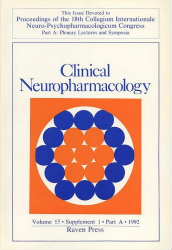
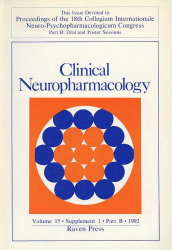
This Issue Devoted to
Proceedings of the 18th Collegium Internationale
Neuro-Psychopharmacologicum Congress
Clinical Neuropharmacology
Collegium Internationale Neuro-Psychopharmacologium
18th C.I.N.P. CONGRESS
ACROPOLIS Convention Center,
Nice, France
June 28 - July 2, 1992
資料提供
大山漢方堂薬局
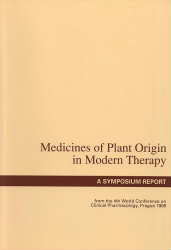
Medicines of Plant Origin in Modern Therapy
from the 4th World Conference on Clinical
Pharmacology, Prague 1989
A SYMPOSIUM REPORT
Published by Oxford Clinical Communications,
1989
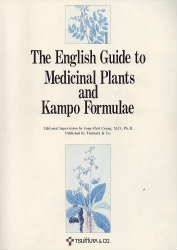
The English Guide to Medicinal Plants
and Kampo Formulae
1993
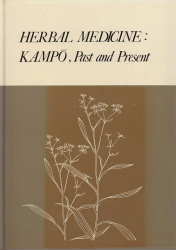
HERBAL MEDICINE : KAMPO,
Past and Present
1985
資料提供
大山漢方堂薬局
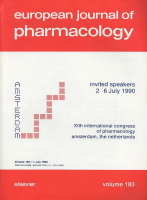
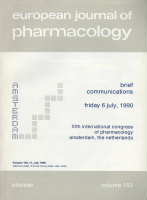
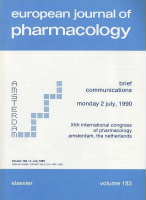
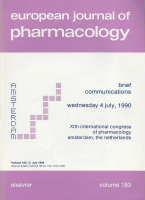
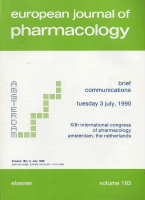
EUROPEAN JOURNAL OF PHARMACOLOGY
11th International Congress of Pharmacology
Amsterdam, The Netherlands
1-6 July, 1990
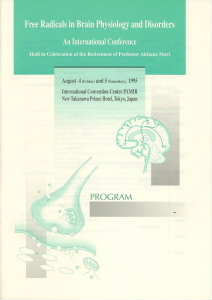
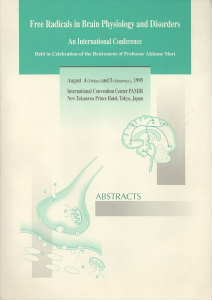
Free Radicals in Brain Physiology and Disorders
An International Conference Held in Celebration of the Retirement of
Professor Akitane Mori
August 4 and 5, 1995
International Convention Center PAMIR,
Tokyo,Japan
' sohhaku OHYAMA ' memorial
Institute of Natural Health Science
大山宗伯東洋医学記念館
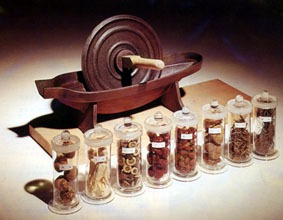
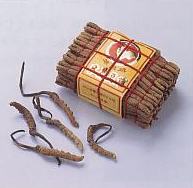
Image of Ohyama Kampo
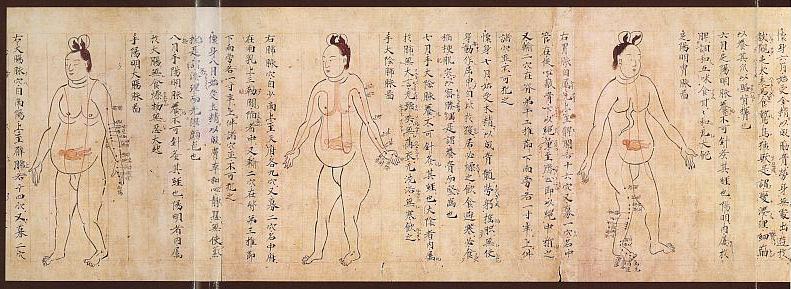
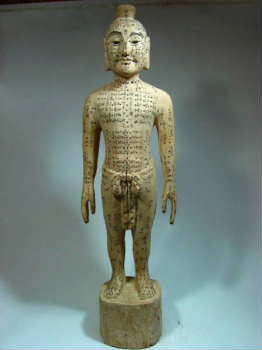
" KEIRAKU."
Image of Ohyama Shimkyu
Image of Ohyama Kampo
sohhaku OHYAMA memorial
Oriental Medicine
(Kampo medicines, Acupuncture & Moxibustion)
Museum
Grandfather's Clock.
「1006」
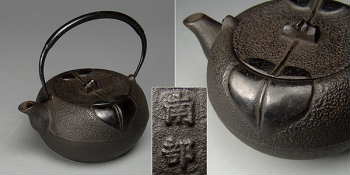
「NAMBU]
「GOTOKU」
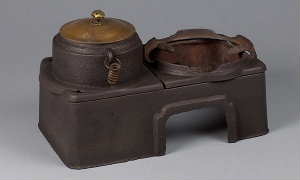
「YAKUKAN, YAKUTUBO & GOTOKU」
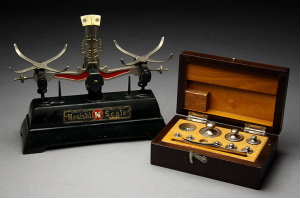
「balance」 昭和初期 上皿天秤
(分銅、ピンセット、木製ケース付)
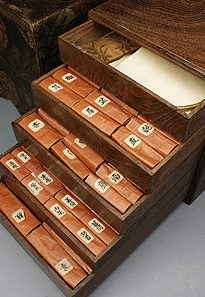
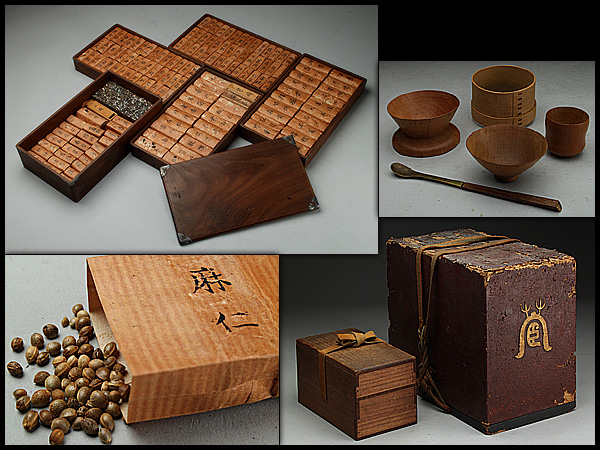
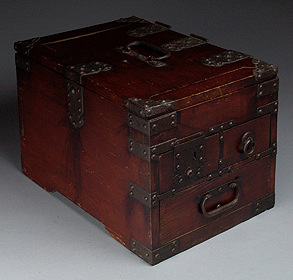
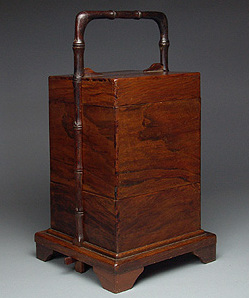
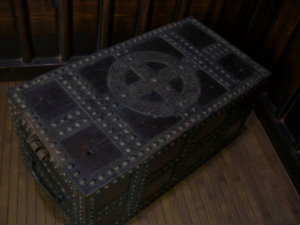
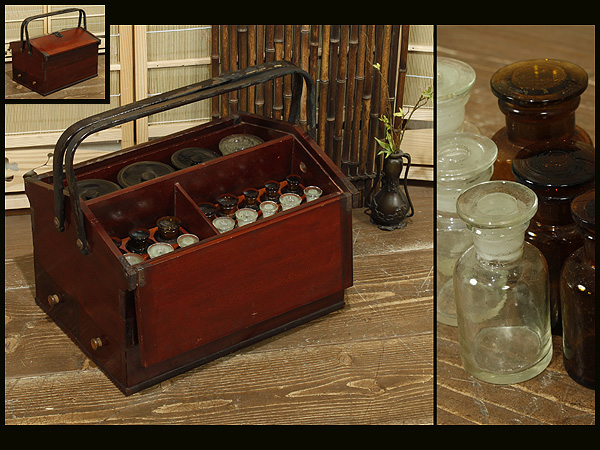
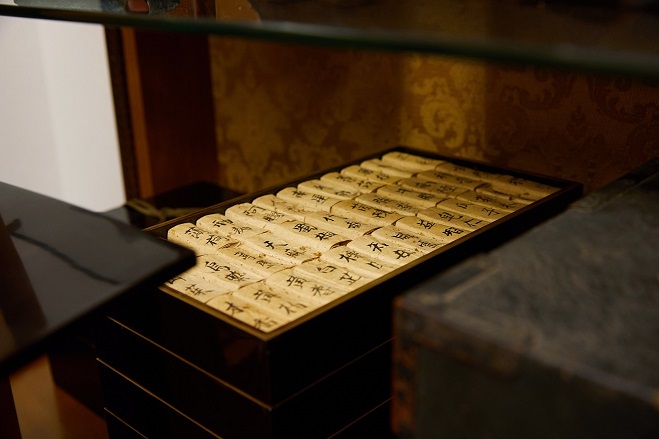
the edo period 「Medicine Cases」
大山漢方堂薬局 所蔵 江戸時代(後期)
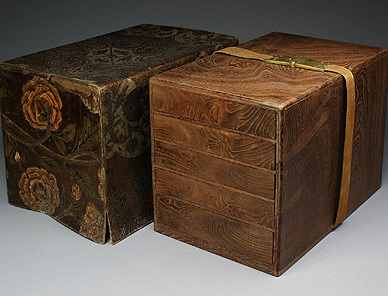
漢方医の薬箱 革蓋付(外装:金唐革紙)
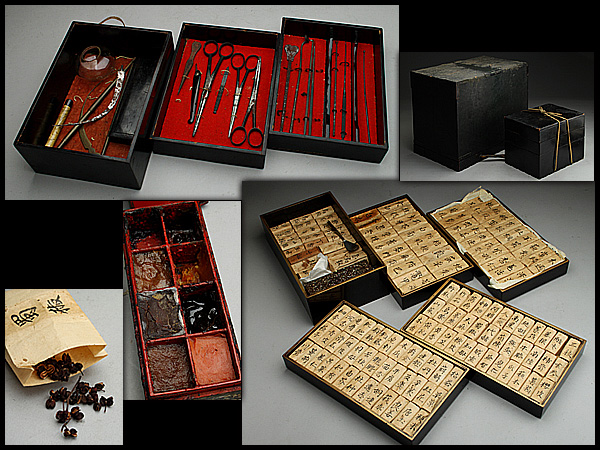
大山漢方堂薬局 所蔵 江戸時代(後期) 漢方医の薬箱:革製外箱及び小箱(調合用古薬具) the edo period 「Medicine Boxes」 KAMPO Physician's Medicine Boxes
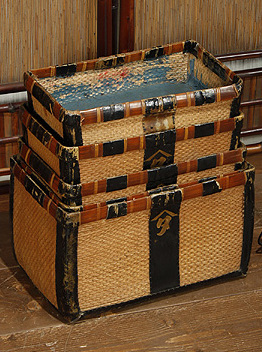
大山漢方堂薬局 所蔵 江戸末期(幕末)~明治初期 漢方医の薬箱:外箱及び小箱:治療用古医具) the edo period 「Medicine Boxes」 KAMPO Physician's Medicine Boxes
the edo period
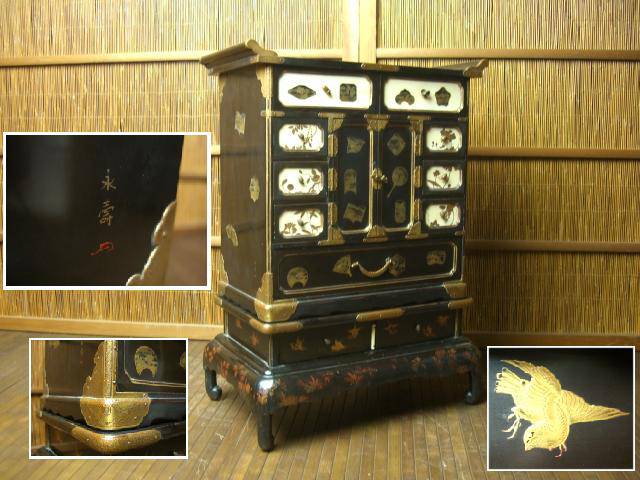
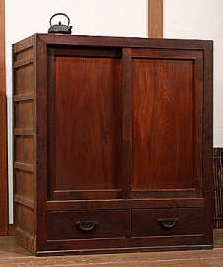
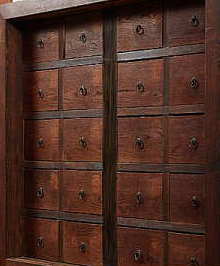
「Medicine Cabinets」
江戸時代後期
漢方医の薬味箪笥
the edo period
TONOSAMA / DAIMYOH / HATAMOTO
「Medicine Cases」
江戸時代後期
漢方医の薬箱(燭台、銅製薬缶付)
大山漢方堂薬局 所蔵 薬味箪笥
明治時代(初期)
「Medicine Cabinets」
「Haribako」
Acupuncture Box
Acupuncture & Moxibustion Box
Acupuncture & Moxibustion Box
「kyubako」
「SAMURAI」
the edo period
「ATSUHIME」
「YAKUMI-TANSU」
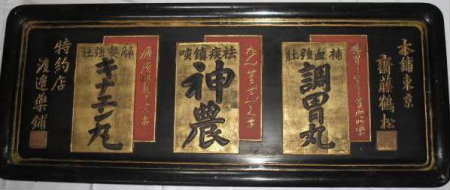
「KUSURI-KANBAN #1」
「KUSURI-KANBAN #3」
Image of Ohyama Kampo
JAPANESE HERBAL MEDICINES
KAMPO MEDICINES
JAPANESE HERBAL MEDICINES
KAMPO MEDICINES
MEDICINE BOX
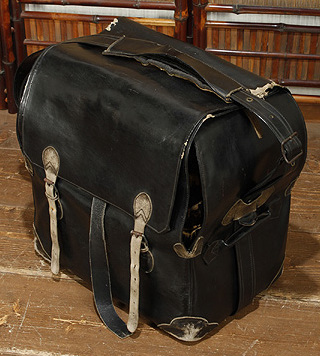
「Herbal Medicine Bag」
「KUSURI-KANBAN #2」
「KUSURI-KANBAN #3」
THE SAMURAI
EDO PERIOD
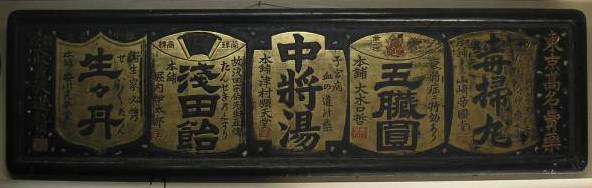
KUSURI-KANBAN
Image of Ohyama Kampo
Reference
BIOCHEMISTRY & MOLECULAR BIOLOGY
A.S.B.M.B
DR.HIROYUKI OHYAMA(Ph.D)
1)
Age-related difference in synaptosomal membrane
fluidity
Hiroyuki Ohyama, Midori Hiramatsu, Norio
Ogawa, Akitane Mori
Biochemistry and Molecular Biology International
37,133-140,1995
Department of Neuroscience, Institute of
Molecular and Cellular Medicine, Okayama
University Medical
School, 2-5-1 Shikatacho, Okayama 700, Japan
and *Division of Medical Science, Institute
for Life
Support Technology, Yamagata Technopolis
Foundation, Yamagata 683 Kurumanomae, Numagi,
Yamagata 990, Japan
ACKNOWLEDGEMENTS
We thank Dr. Lester Packer of the University of California, Berkeley,
for reading our manuscript and providing us with valuable comments.
Special Thanks.
Dr. Lester Packer
Building 20 - 251 LSA
Energy & Environment Division
Lawrence Berkeley Laboratory
University of California
Berkeley, CA 94720
2)
Effect of Japanese herbal medicine(TJ-960)
on neuronal membrane fluidity of mice
Hiroyuki Ohyama, Midori Hiramatsu, Rei Edamatsu,
Akitane Mori
Magnetic Resonance in Medicine 6, 279-281,
1995
3)
Effect of Japanese herbal medicine(TJ-960),
on aging
Midori Hiramatsu, Rei Edamatsu, Hiroyuki
Ohyama, Akitane Mori
Lipid-Soluble Antioxidants:Biochemistry and
Clinical Applications.
pp.535-552,Birkhauser Verlag,Basel,1992
4)
Combined treatment of Japanese herbal medicine(TJ-960)with
low dose of dipropylacetate increased the
latent time for
pentylenetetrazol induced convulsion and
decreased brain lipid peroxidation in mice.
Hiramatsu,M., Liu J, Edamatsu,R., Kadowaki,D.,
Hamada,H., Ohyama,H., Watanabe,S., Mori,A.
Neuroscience 18, 71-76,1992
5)
Estimation of nitric oxide and nitric oxide
synthase activity in SAMP8 mouse brain
(1) Whitehouse P.J., Price D.L. and Struble
R.G. Alzheimer's disease and senile dimentia:
loss of neurons in the basal forebrain. Science
215, 1237-1239, 1982.
(2) Price D.L., Whitehouse P.J. and Struble
R.G. Alzheimer's diseases. Ann. Rev. Med.
36, 349-356, 1985.
(3) Appleyard M.E., Smith A.D., Wilcock G.K
and Esiri M.M. Decreased CSF acetylcholinesterase
activity in Alzheimer's disease. Lancet 20,
452, 1983
(4) Lovell M.A., Ehmann W.D., Butler S.M.
and Markesbery W.R. Elevated thiobarbituric
acid reactive substances and antioxident
enzyme activity
in the brain in Alzheimer's disease. Neurology
45, 1594-1601, 1995.
(5)Mutisya E.M., Bowling A.B. and Beal M.F.
Cortical cytochrome oxidase activity is reduced
in Alzheimer's disease. J. Neurochem. 63,
2179-2184, 1994.
(6) Hensley K., Carney J.M., Mattson M.P.,
Aksenova M., Harris M., Wu J.F. and Floud
R.A. A model for α-amyloid aggregation and
neurotoxicity based
on free radical generation by the peptide:
Relevance to Alzheimer disease. Proc. Natl.
Acad. Sci. USA 91, 3270-3274, 1994.
(7) Kasai H. and Nishimura S. Hydroxylation
of deoxyguanosine at the C-8 position by
ascorbic acid and other reducing agents.
Nucleic Acids Res. 12, 2137-2145, 1984.
(8) Shibutani S., Takeshita M. and Grollman
A.P. Insertion of specific nases during DNA
synthesis past the oxidation damage base
8-oxodG. Nature 349, 431-434, 1991.
(9) Cheng K.C., Cahill D.S., Kasai H., Nishimura
S. and Loeb L.A. 8-Hydroxyguanine, an abundant
form of oxidative DNA damage,
causes G→T and A→C substitutions. J. Biol.
Chem. 267, 166-172, 1992.
(10) Prasad G.S., Lovell M.A. and Markesbery
W.R. Increased nuclear DNA oxidation in the
brain in Alzheimer's diseases. J. Neurochem.
71, 2034-2040, 1998.
(11) Sohal R.S., Agarwal S. and Sohal B.H.
Oxidative stress and aging in the Mongolian
gerbil (Meriones unquiculatus). Mech. Ageing
and Dev. 81, 15-25, 1995.
(12) Asuncion J.G., Millan A., Pla R., Bruseghini
L, Esteras A., Pallardo F.V., Sastre J. and
Vina J. Mitochondrial glutathione oxidation
correlates
with age-associated oxidative damage to mitochondrial
DNA. FASEB J. 10, 333-338, 1996.
(13) Sastre J., Millan A., Asuncion J.G.,
Pla R., Juan G., Pallardo F., O'Conner E.,
Martin J.A., Droy-Refaix M.T. and Vina J.
A Ginkgo biloba extract (EGb 761)
prevents mitochondrial aging by protecting
against oxidative stress. Free Rad. Biol.
Med. 24, 298-304, 1998.
(14) Mecocci P., Fano G., Fulle S., MacGarvey
U., Shinobu L., Polidori M.C., Cherubini
A., Vecchiet J., Senin U. and Beal M.F. Age-dependent
increases
in oxidative damage to DNA, lipids, and proteins
in human skeletal muscle. Free Rad. Biol.
Med. 26, 303-308, 1999.
(15) Ciani E., Groneng L., Voltattorni M.,
et al. Inhibition of free radical production
or free radical scavenging protects from
the excitotoxic cell death mediated
by glutamate in cultures of cerebellar granule
neurons., Brain Res. 728, 1-6, 1996.
(16) Dawson V.L. and Dawson T.M. Free radicals
and neuronal cell death. Cell Death and Differentiation
3, 71-78, 1996.
(17) Pillot T., Drouet B., Queille S., Labeur
C., Vandekerckhove J., Rosseneu M., Pincon-Raymond
M. and Chambaz J.
The nonfibrillar amyloid _-peptide induces
apoptotic neuronal cell death: Involvement
of its c-terminal fusogenic domain. J. Neurochem.
73, 1626-1634, 1999.
(18) Herbison A.E., Augood S.J. and Slmonian
S.X. Regulation of GABA transport activity
and mRNA expression
by estrogen in rat preoptic ares. J. Neurosci.
15, 8302-8309, 1995.
References 2
1. Chartier-Harlin,M.C. et al. Early-onset
Alzheimer's disease caused bymutations at
codon precursor protein gene. Nature 353,
844-846 (1991).
2. Sherrington,R.et al. Cloning of a gene
bearing missense mutations inearly-onset
familial Alzheimer's disease. Nature 375,
754-760 (1995).
3. Rogaev,E.I. et al. Familial Alzheimer's
disease in kindreds withmissense mutations
in a gene on chromosome 1 related to the
Alzheimer'sdisease type 3 gene. Nature 376,
775-778 (1995).
4. Borchelt,D.R. et al. Familial Alzheimer's
disease-linked presenilin 1variants elevate
Abeta1-42/1-40 ratio in vitro and in vivo.
Neuron 17,1005-1013 (1996).
5. Duff,K. et al. Increased amyloid beta42
(43) in brains of miceexpressing mutant presenilin
1. Nature 383, 710-713 (1996).
6. Nakano,Y.et al. Accumulation of murine
amyloid beta42 with a gene-dosagedependent
manner in PS1 'knock-in' mice. Eur.J.Neurosci.
11, 2577-2581(1999).
7. Iwatsubo,T. et al. Visualization of A?42
(43) and A?40 in senileplaques with end-specific
A?monoclonals: evidence that an initiallydeposited
species is A?42 (43). Neuron 13, 45-53 (1994).
8. Scheuner,D. et al. Secreted amyloid beta-protein
similar to that in thesenile plaques of Alzheimer's
disease is increased in vivo by thepresenilin
a and 2
and APP mutations linked to familial Alzheimer'sdisease.
Nature Med. 2, 864-870 (1996).
9. Wong,P.C. et al. Presenilin 1 is required
for Notch and Dll1 expressionin the paraxial
mesoderm. Nature 387, 288-292 (1997).
10. Davis,J.A. et al. An Alzheimer's disease-linked
PS1 variant rescues thedevelopmental abnormalities
of PS1-deficient embryos. Neuron 20, 603-609(1998).
11. De Strooper,B. et al. Deficiency of presenilin-1
inhibits the normalcleavage of amyloid precursor
protein. Nature 391, 387-390 (1998).
12. Wolfe,M.S. et al. Two transmembrane aspartates
in presenilin-1required for presenilin endoproteolysis
and gamma-secretase activity.Nature 398,
513-517 (1999).
13. Guo,Q.et al. Alzheimer's presenilin mutation
sensitizes neural cells toapoptosis induced
by trophic factor withdrawal
and amyloid?-peptide:involvement of calcium
and oxyradicals. J.Neurosci. 17, 4212-4222
(1997).
14. Guo,Q.et al. Increased vulnerability
of hippocampal neurons toexcitotoxic necrosis
in presenilin-1 mutant knock-in mice. Nature
Med. 5,101-106 (1999).
15. Sidrauski,C.et al. The unfolded protein
response: an intracellularsignalling pathway
with many surprising features. Trends in
Cell Biol. 8,245-249 (1998).
16. Tirasophon,W. et al. A stress response
pathway from the endoplasmicreticulum to
the nucleus requires
a novel bifunctional proteinkinase/endoribonuclease
(Ire1p) in mammalian cells. Genes Dev. 12,1812-1824(1998).
17. Wang,X-Z.et al. Cloning of mammalian
Ire1 reveals diversity in the ERstress responses.
EMBO J. 17, 5708-5717 (1998).
18. Katayama, T. et al. Presenilin-1 mutations
downregulate the signalling pathway of unfolded
protein response. Nature Cell Biol. in press
(1999).
19. Iwatsubo, T. et al. Purification and
characterization of Lewy bodiesfrom the brains
of patients with diffuse Lewy body disease.
Am.J.Pathol.148, 1517-1529 (1996).
20. DiFiglia,M. et al. Aggregation of huntingtin
in neuronal intranuclearinclusions and dystrophic
neurites in brain. Science 277, 1990-1993(1997).
References 3
1) Raff, M. C., Barres, B. A., Burne, J.
F., Coles, H. S., Ishizaki, Y., and Jacobson,
M. D. (1993)
Programmed cell death and the control of
cell survival: lessons from the nervous system.
Science, 262:695-700.
2) Purves, D.(1988) "Body and Brain"
Harverd University Press.
3) Levi-Montalcini, R. And Angeletti, P.
(1968)
Nerve growth factor, Pysiol. Rev., 48:534-569.
4) Cohen, S. And Levi-Montalcini, R. (1956)
A nerve growth-stimulating factor isolated
from snake venom. Proc. Natl. Acad Sci. USA,
42:571-574.
5) Johnson, E. M., Gorin, P. D., Brandeis,
L. D. And Pearson, J. (1980)
Science, 210:916-918.
6) Smeyne, R. J., Klein, R., Schnapp, A.,
Long, L. K., Bryant, S., Lewin, S. A. and
Barbacid, M. (1994)
Severe sensory and sympathetic neuropathies
in mice carrying a disrupted Trk/NGF. Nature,
368:246-248.
7) Davies, A. M., Enokido, Y. and Wyatt,
S.(1999)
Paradigms of neurotrophic factor action in
regulating neuronal survival in the developing
nervous system. Taniguchi Symposium, in press.
8) Davies, A. M., Bandtlow, C., Heumann,
R., Korsching, S., Rohrer, H. And Thoenen,
H. (1988)
Timing and site of nerve growth factor synthesis
in developing skin in relation to innervation
and expression of the receptor. Nature, 326:353-358.
9) Wyatt, S. And Davies, A. M.(1993)
Regulation of expression of mRNAs encoding
the nerve growth factor receptors p75 and
trkA in developing sensory neurons. Development,
119:635-648.
10) Buchman, V. L., and Davies, A. M.(1993)
Different neurotrophins are expressedand
act in a developmental sequence to promote
the survival of embryonic sensory neurons.
Development, 118: 989-1001.
11) Davies, A. M. (1997)
Neurotrophin switching: where does it stand?
Curr. Opin. Neurobiol.,7:110-118.
12) Verdi, J. M. And Anderson, D. J. (1994)
Neurotrophins regulate sequential changes
in neurotrophin receptor expression by sympathetic
neuroblasts.Neuron, 13:1359-1372.
13) Wang, H. And Tessier-Lavigne, M.(1999)
En passant neurotrophic action of and intermediate
axonal target in the developing mammalian
CNS. Nature, 401;765-769.
14) Davies , A. M. and Wright, E. M. (1995)
Neurotrophin autocrine loops. Curr. Biol.,
5:723-726.
15) ElShamy, W. M., Fridvall, L. K. and Ernfors,
P.(1998)
Growth arrest failure, G1 restriction point
override, and S phase death of sensory precursor
cells in the absence of neurotrophin-3.Neuron,
21:1003-15
16) Enokido, Y., Wyatt, S. and Davies, A.
M. (1999)
Developmental changes in the response of
trigeminal neurons to neurotrophins: influence
of birthdate and the ganglion environment.
Development, 126:4365-4373.
17) Ma, Q., Fode, C., Guillemot, F. and Anderson,
D. J.(1999)
NEUROGENIN1 and NEUROGENIN2 control two distinct
waves of neurogenesis in developing dorsal
root ganglia. Genes & Dev., 13:1717-1728.
18) Ma, Q., Chen, Z., del Barco Barrantes,
I., de la Pompa, J. L. and Anderson, D. J.
(1998)
Neurogenin1 is essential for the determination
of neuronal precursors for proximal cranial
sensory ganglia. Neuron, 20:469-82
19) Fode, C., Gradwohl, G., Morin, X., Dierich,
A., LeMeur, M., Goridis, C. and Guillemot,
F. (1998)
The bHLH protein NEUROGENIN 2 is a determination
factor for epibranchial placode-derived sensory
neurons. Neuron, 20:483-94
20) O'Connor, R. and Tessier-Lavigne, M.(1999)
Identification of maxillary factor, a maxillary
process-derived chemoattractant for developing
trigeminal sensory axons. Neuron, 24:165-178.
21) Lumsden, A. G., and Davies, A. M. (1983)
Earliest sinsory nerve fibers are guided
to peripheral targets by attractants other
than nerve growth factor. Nature,306:786-788.
22) Tessier-Lavigne, M., and Placzek, M.
(1991)
Target attraction: are developing axons guided
by chemotropism? Trends Neurosci., 14:303-310.
23) Blasschke, A. J., Staley, K. and Chun,
J.(1996)
Widespread programmed cell death in proliferative
and postmitotic regions of the fetal cerebral
cortex. Development, 122:1165-1174.
Dr. HIROYUKI OHYAMA(Ph.D) in 1995.
Age-related difference in synaptosomal membrane
fluidity Biochemistry and Molecular Biology International
37,133-140,1995
Hiroyuki Ohyama, Midori Hiramatsu, Norio
Ogawa, Akitane Mori
Department of Neuroscience, Institute of
Molecular and Cellular Medicine,
Okayama University Medical School, 2-5-1
Shikatacho, Okayama 700, Japan
and *Division of Medical Science, Institute
for Life Support Technology, Yamagata Technopolis
Foundation,
Yamagata 683 Kurumanomae, Numagi, Yamagata
990, Japan
Age-related difference in synaptosomal membrane
fluidity Biochemistry and Molecular Biology International
37,133-140,1995
Hiroyuki Ohyama, Midori Hiramatsu, Norio
Ogawa, Akitane Mori
Department of Neuroscience, Institute of
Molecular and Cellular Medicine,
Okayama University Medical School, 2-5-1
Shikatacho, Okayama 700, Japan
and *Division of Medical Science, Institute
for Life Support Technology, Yamagata Technopolis
Foundation,
Yamagata 683 Kurumanomae, Numagi, Yamagata
990, Japan
Dr. HIROYUKI OHYAMA(Ph.D) in 1995.
sohhaku OHYAMA memorial
Oriental Medicine Museum
BIOCHEMISTRY & MOLECULAR BIOLOGY
HIGHER NERVOUS SYSTEM
KAMPO MEDICINE